
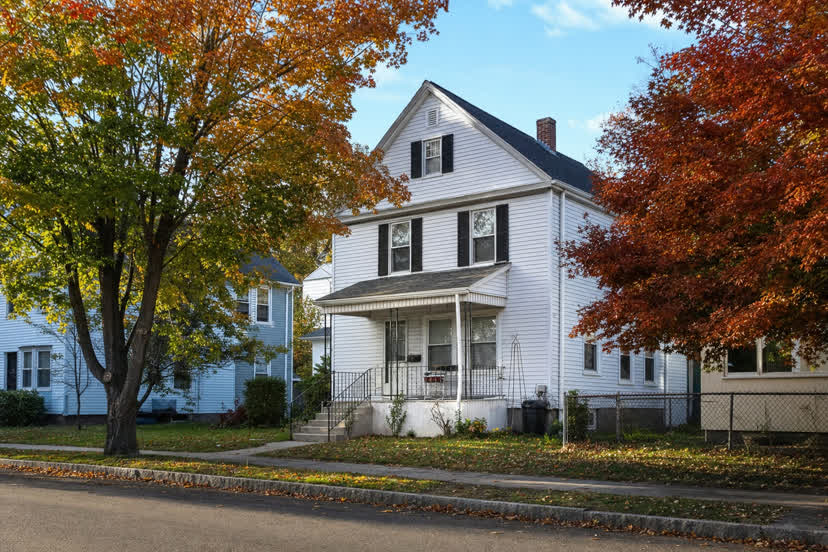
What we do with the house and its contents
An inherited house can keep generating property-tax, insurance, utility, and upkeep bills while the estate is open. You can take the belongings your family wants to keep; we buy the house as it is without requiring you to clean it out, make repairs, or haul away what remains. We can note in the written terms which contents stay with the house.
What happens next
- We talk with you about the Waterbury address, the house's condition and contents, and where the estate stands. You can ask questions before deciding.
- We give written cash offers in 24 hours. You get a written offer and written terms before you commit, and we close through a title company.
- We review the title, payoff amounts, occupancy, and who is authorized to sign, then coordinate closing. Close as fast as 7 days when title and closing details allow.
Sell from anywhere in the country — we can send a notary to you, and you don't have to attend settlement or even visit the property.
What you keep from the sale
Compare an estimate of what you may net from listing with an as-is cash sale, using assumptions that fit the inherited house. Actual proceeds depend on the written terms, title, payoffs, taxes, and property-specific costs.
Open the Waterbury home-sale net-proceeds calculator →Connecticut estate rules and sale taxes
An executor or administrator appointed by the Probate Court may sell the house while the estate is open. Unless the will specifically gives the executor power to sell real estate, the sale needs Probate Court approval. To request approval, the estate representative files a petition with the purchase contract and proof of fair market value, such as an appraisal or market analysis. The court approves the sale if it is in the estate's best interests. Heirs and beneficiaries may waive notice; if the will leaves the house to a specific person, that person can sign a consent to the sale. The deed, will, and court papers determine who can sign and what is needed to close. See the Connecticut statute on estate real-property sales, Probate Court Rule 30.15, and the PC-400 petition to sell or mortgage real property.
Before closing, the title company will usually want certificates releasing the state's estate-tax and probate-fee liens on the house. The Probate Court issues the certificates, although the Department of Revenue Services releases the estate-tax lien for a taxable estate. See the estate-tax lien statute, probate-fee lien statute, PC-205B lien-release petition, and Connecticut estate-tax instructions.
Connecticut's real-estate conveyance tax is due when a deed is recorded on a sale price of $2,000 or more. The seller owes the tax under state law, and it is paid when the deed is recorded. For a home, the state rate is 0.75% on the price up to $800,000, 1.25% on the part from $800,000 to $2.5 million, and 2.25% on the part above $2.5 million. Town conveyance tax adds 0.25%; certain eligible towns may add another 0.25%, for a local rate of up to 0.50%. Confirm the rate for the property with the closing professional. See the state conveyance-tax statute, rate statute, and Connecticut DRS conveyance-tax information.
When you sell to us, we pay the closing costs, including the Connecticut state and municipal real estate conveyance taxes. No agent commissions when you sell to us. No fees. Your mortgage, liens, back taxes, and share of current property taxes are separate.
Local estate and deed-record help
If you need an estate attorney, we can help you find one.
Waterbury Town Clerk and land records
The Waterbury Town Clerk's Office manages city land records. We can coordinate with the title company if deed information is needed for the sale.
Connecticut Probate Court guidance
Connecticut's estate-administration guide and Probate Court rules explain the state process and forms.
Questions about selling an inherited Waterbury house
Can I sell an inherited house before Connecticut probate is finished?
A court-appointed executor or administrator may sell a house while the estate is open. If the will does not specifically give the executor power to sell real estate, Probate Court approval is needed. The estate representative files a petition with the purchase contract and proof of fair market value; the court decides whether the sale is in the estate's best interests.
Who can sign for an inherited Connecticut house?
The executor or administrator appointed by the Probate Court can handle a sale for the estate. The deed, will, and current court papers determine who must sign and whether court approval is needed. The title company or a qualified attorney can confirm the authority for the specific estate.
Do I have to remove the belongings or repair the house first?
No. You can take the belongings you want to keep; no repairs, cleaning, cleanout, or hauling are required to sell to us. We'll discuss any items staying with the house in the written terms.
Can I sell from outside Connecticut?
Sell from anywhere in the country — we can send a notary to you, and you don't have to attend settlement or even visit the property.
Related Waterbury pages
We give written cash offers in 24 hours.
Takes 2 minutes. No obligation.