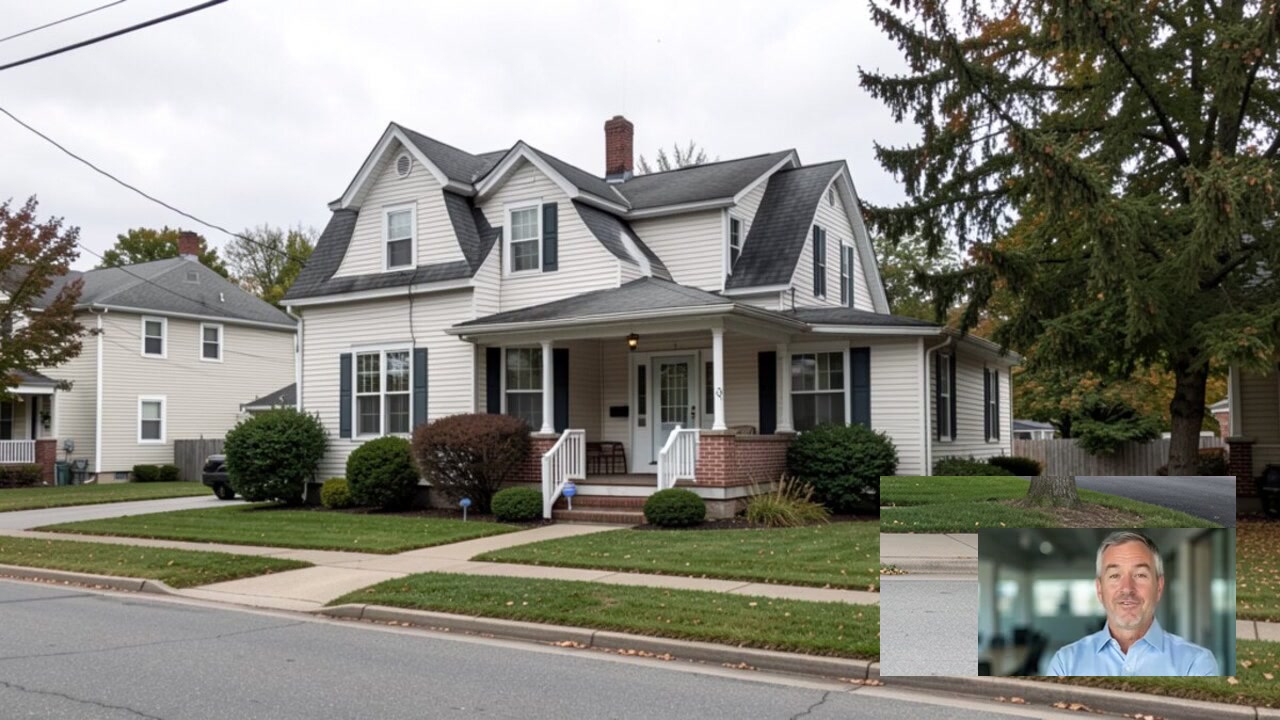
Usually, yes. If the will gives the executor the power to sell, the appointed executor can sign without a court order to sell. If it doesn’t, another option may avoid a court sale: unless the will forbids it, the surviving spouse and all beneficiaries named in the will—or all heirs if there’s no will—give written consent, those consents are filed with the probate court, and the price is at least 80% of the house’s appraised value in the approved inventory. This consent option isn’t available if the surviving spouse or any beneficiary or heir is under 18. If your parent recorded a transfer-on-death designation, the house may skip probate entirely; the beneficiary records an affidavit and can sell it like any owner. You can sell in the estate’s name once the estate is opened — no need to put the house in your own name first. If you need an estate attorney, we can help you find one.