
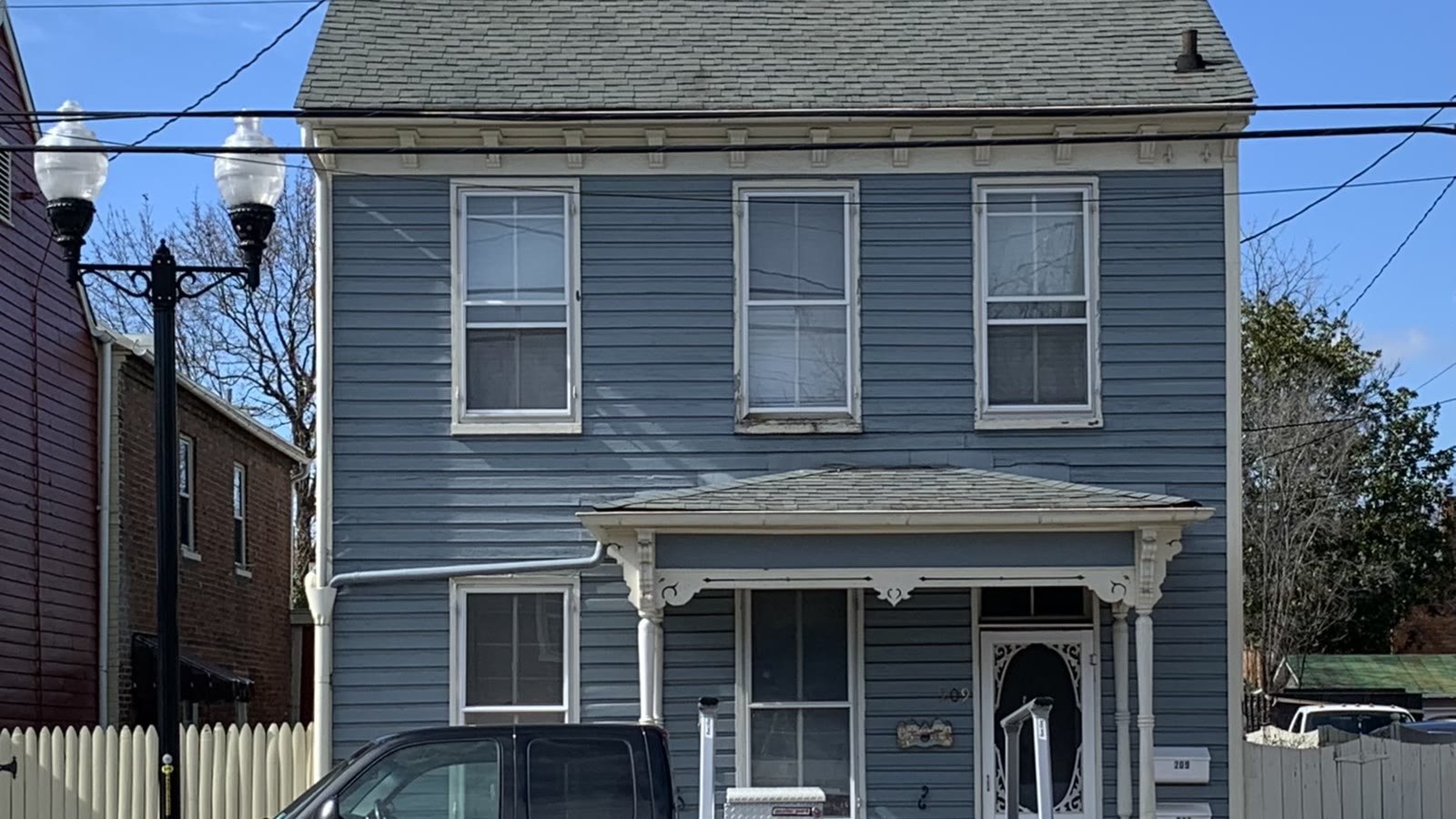
What we do with the house and its contents
We buy houses as-is, in any condition — no repairs, no cleaning, no cleanout required to sell to us. Tell us what the family wants to keep, and we can put in writing what stays with the house.
Mortgage payments, utilities, insurance, upkeep, and the current property-tax share can keep adding up while a house is held. A sale can be one option; you decide what is right for the property and the family.
What happens next
- We talk about the house, its contents, and where the estate process stands.
- We review the house, title, any payoff, occupancy, and who can sign. You get a written offer and written terms before you commit.
- If you choose to proceed, we close through a title company.
No fees. No agent commissions when you sell to us. Close as fast as 7 days when title and closing details allow.
Sell from anywhere in the country — we can send a notary to you, and you don't have to attend settlement or even visit the property.
Compare what you may keep
Compare an editable listing estimate with an as-is cash-sale estimate using your own assumptions in the Winchester home-sale net-proceeds calculator.
Open the Winchester net-proceeds calculator →Virginia estate rules and sale taxes
In Virginia, real estate passes at death to the heirs or the people named in the will. An executor can sell only after the circuit court clerk appoints them and the will directs a sale or gives a power of sale, or a court grants that power. Without that authority, heirs or beneficiaries generally sign the deed together. Read Virginia’s real-estate inheritance rule and executor sale-authority rule.
There is also a first-year creditor issue: a sale by heirs or beneficiaries within one year after death can be challenged by the deceased owner’s creditors unless no court action over estate debts is started and no report of debts is filed within that year. A court-ordered sale during that year is protected when the proceeds go to a court-appointed commissioner. See the Virginia creditor rule for heir sales and court-ordered sale statute.
Virginia’s grantor tax is 50 cents for each $500 of the greater of the sale price or value; state law assigns that tax to the seller, though the contract can shift who pays. State and local recordation taxes are separate, and the settlement agent confirms the amounts for the deed and transaction. See the state’s grantor-tax law and recordation-tax law.
When you sell to us, we pay the closing costs, including Virginia state and local recordation taxes, grantor tax and any applicable regional WMATA capital fee, regional congestion relief fee or regional transportation improvement fee.
Your mortgage, liens, back taxes, and share of current property taxes are separate from the closing costs we pay.
Local estate and deed offices
The Winchester Circuit Court is the local court reference for the independent City of Winchester. Its clerk handles local estate matters; Frederick County is a separate jurisdiction. For a statewide overview, read our guide to selling an inherited house in Virginia.
If you need an estate attorney, we can help you find one.
Winchester Circuit Court Clerk — Joint Judicial Center
Official information for estate matters and deed filings handled by the Winchester Circuit Court clerk.
Open the official office information →Virginia Courts — Winchester Circuit Court
Official information about the Winchester Circuit Court.
Open the official office information →Frequently Asked Questions — Inherited Property in Winchester, VA
Can I sell an inherited Winchester house before the estate is settled?
Yes, if the person signing has authority to sell. An executor must be appointed through the circuit court clerk, and the will must direct a sale or give a power of sale unless a court grants that power. Otherwise, heirs or beneficiaries generally sign together.
Who can sign the deed for an inherited house?
An executor can sign only after appointment by the circuit court clerk and when the will or a court gives authority to sell. Without that authority, heirs or beneficiaries generally sign together.
Do I have to put the house in my own name before selling?
You can sell in the estate's name once the estate is opened — no need to put the house in your own name first. If you need an estate attorney, we can help you find one.
Can creditors challenge an heir’s sale during the first year?
A sale by heirs or beneficiaries within one year after death can be challenged by the deceased owner’s creditors unless no court action over estate debts is started and no report of debts is filed within that year. A court-ordered sale in that first year is protected when the proceeds go to a court-appointed commissioner. A qualified Virginia attorney can explain how this rule applies to an estate.
What taxes apply when an inherited Winchester house is sold?
Virginia’s grantor tax is 50 cents for each $500 of the greater of the sale price or value; state law assigns it to the seller, though the contract can shift who pays. State and local recordation taxes are separate. The settlement agent confirms the taxes and amounts for the deed and transaction.
Do I need to clear out belongings or repair the inherited house?
No. We buy houses as-is, in any condition — no repairs, no cleaning, no cleanout required to sell to us. Tell us what the family wants to keep, and we can put in writing what stays with the house.
Can I sell from outside Winchester?
Sell from anywhere in the country — we can send a notary to you, and you don't have to attend settlement or even visit the property.
When will I get a written cash offer?
We provide a written offer and written terms before you commit, and we close through a title company.
Talk with us about the property
Call 888-274-5006 or use the form to tell us about the Winchester house and ask for a written cash offer.
We give written cash offers in 24 hours.
Takes 2 minutes. No obligation.
We give written cash offers in 24 hours.
Takes 2 minutes. No obligation.