TL;DR — What You Need to Know
You can sell a tenant-occupied house in Philadelphia without evicting anyone first. Pennsylvania law lets the sale close with tenants in place, and an investor cash buyer can take the property subject to the existing lease. Philadelphia adds local issues that matter at closing: rental suitability, lead certification, L&I violations, security deposits, and transfer tax.
You Can Sell with Tenants in Place
Under Pennsylvania's Landlord and Tenant Act, a lease runs with the land. When you sell a property with tenants in it, the new owner inherits the existing lease, and the tenant keeps their right to stay through the end of the lease term.
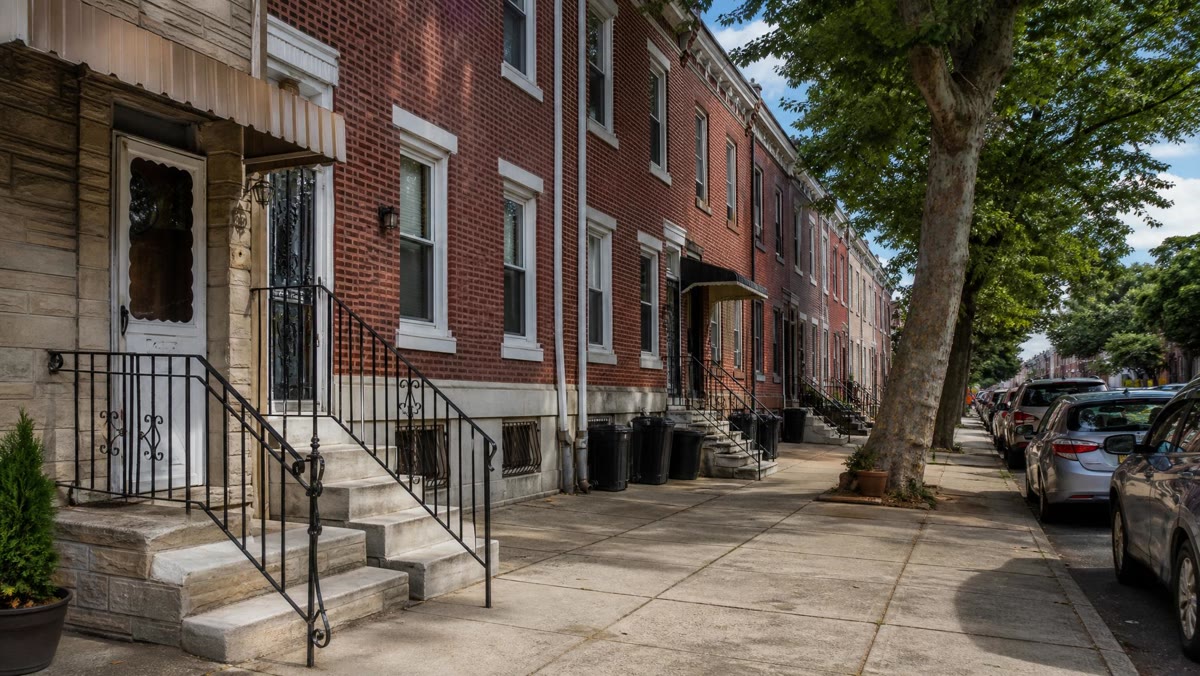
For Philadelphia rowhouse landlords, small multi-unit owners, or heirs who inherited a rental they do not want to manage, selling occupied can be the cleanest way out. An investor buyer closes, you transfer the lease file and deposit records, and the tenant's situation continues under the new owner.
Month-to-month tenants are different if you want vacant delivery. Pennsylvania notice rules can apply, including 15 days for tenants under one year and 30 days for tenants of one year or more. If vacant delivery is not required, many investor buyers will take the property occupied.
Certificate of Rental Suitability
Philadelphia requires landlords to obtain a Certificate of Rental Suitability when renting to a new tenant or renewing an existing lease. The CRS is free and processed through the city's eCLIPSE system.
To get one, the landlord needs a valid rental license and no outstanding L&I violation notices that have not been appealed or resolved. For a seller, that means open violations and licensing problems should be understood before negotiating.
An investor buyer who inherits tenants and later renews or signs leases will need to handle their own rental-license and CRS obligations. Open L&I violations do not always stop a cash sale, but they can affect price, buyer underwriting, and post-closing plans.
Lead Certification Applies Broadly
Philadelphia's lead certification law changed significantly in 2019, and the full phase-in across city zip codes was complete by late 2022. Current requirements apply to all pre-1978 residential rental properties in Philadelphia, not only properties where children under six live.
Before a landlord can execute a new or renewed lease, or renew a rental license, the property needs a current lead-safe or lead-free certification from qualified professionals. Lead-safe certifications generally renew on a cycle; lead-free certifications are different when the property truly contains no lead-based paint.
Philadelphia also presumes residential rental properties were built before March 1978 unless the landlord proves otherwise. Given the age of the city’s rowhouse stock, many rentals fall inside the rule.
Seller takeaway
Know your lead-certification status before you negotiate. Experienced investors can price and manage this, but missing paperwork can slow review and affect the offer.
No General Market-Rate TOPA in Philadelphia
Pennsylvania has no statewide Tenant Opportunity to Purchase Act. For typical market-rate Philadelphia rentals, no tenant purchase-right notice or TOPA waiting period applies before marketing to investors or accepting a cash offer.
Philadelphia does have a Chapter 7-200 right-of-first-refusal rule for certain affordable housing properties, including some buildings with four or more units tied to government subsidies, LIHTC affordability covenants, HUD-assisted loans, or similar programs.
If your property has Section 8 contracts, LIHTC agreements, or other affordable-housing program obligations attached, consult a Pennsylvania-licensed attorney before listing or accepting offers. For a typical market-rate rowhouse rental, you can usually sell when you are ready.
Security Deposits Transfer to the Buyer
When you sell a tenant-occupied property in Pennsylvania, the security deposit transfers to the new owner rather than back to the tenant at closing. The prior landlord must complete the transfer within 30 days of sale.
The new owner assumes responsibility for returning the deposit at the end of the tenancy under Pennsylvania rules. Before you list, organize lease copies, deposit amounts, and escrow documentation so the buyer and title team can verify the file quickly.
Philadelphia Transfer Tax Is a Real Cost
Effective July 1, 2025, Philadelphia's city realty transfer tax rate is 3.578%, plus Pennsylvania's 1% state realty transfer tax, for a combined total of 4.578%. On a $280,000 property, that is roughly $12,800 before other closing items.
According to Redfin, Philadelphia’s median sale price was about $280,000 in March 2026, with homes averaging 61 days on market and selling at 97.3% of list price. A cash sale can be useful when the alternative is months of repairs, showings, tenant coordination, and carrying costs.
Before You List: A Philadelphia Landlord Checklist
Pull the lease file first. Know whether you have a fixed-term or month-to-month tenant, the lease end date, the rent amount, the deposit amount, and any notices already sent.
Then check CRS, rental license, L&I violations, lead certification status, and deposit documentation. Undisclosed violations often surface during title or buyer due diligence. If code violations are already an issue, review your options before you start a broad retail listing.
For lease termination questions, holdover tenants, subsidized-housing program agreements, or affordable-housing right-of-first-refusal questions, speak with a Pennsylvania-licensed attorney.
Selling Occupied to a Cash Buyer
A cash buyer can evaluate the property with the tenants in place and price the deal around lease transfer, repairs, L&I status, and post-closing rental compliance.
You do not have to make repairs before sale, and you do not have to evict someone just to sell. A cash closing can move on the title, lease-transfer, deposit-transfer, and buyer due-diligence timeline.
USA Home Buyers buys Philadelphia rowhouses, multi-units, and rental properties occupied or vacant. Call 888-274-5006 to talk through the property before you decide.
Selling a Tenant-Occupied Property in Philadelphia?
Call 888-274-5006 or request a no-obligation cash offer. We buy occupied rentals, rowhouses, and multi-units as-is.
Frequently Asked Questions
Can I sell a tenant-occupied house in Philadelphia?
Yes. You can sell with tenants in place. The buyer takes the property subject to the existing lease and becomes the new landlord after closing.
Do I have to evict the tenant before selling?
No. If the buyer accepts occupied delivery, eviction is not required just to sell. Vacant delivery is a separate legal and contract issue.
Does Philadelphia have TOPA for market-rate rentals?
Typical market-rate Philadelphia rentals do not have a general TOPA waiting period. Certain affordable or subsidized housing properties can have Chapter 7-200 right-of-first-refusal obligations, so owners should consult counsel if that applies.
What happens to the security deposit?
The deposit transfers to the buyer/new owner, along with lease and escrow documentation. Pennsylvania rules require proper transfer and accountability after sale.